British musician (born 1949)
Mark Knopfler
Mark Freuder Knopfler is a British musician.
By globalcelebwiki Editorial Desk, adapted from Wikipedia · Published 29 September 2026
- Profession
- British musician (born 1949)
- Born
- 12 August 1949
- Birthplace
- Glasgow
- Nationality
- British

Overview
Mark Freuder Knopfler (born 12 August 1949) is a British musician. He was the lead guitarist, singer and songwriter of the rock band Dire Straits from 1977 to 1995, and he is one of the two members who stayed throughout the band's existence, along with the bassist John Illsley. After Dire Straits dissolved, he pursued a solo career and is now an independent artist.
Knopfler was born in Glasgow, and was raised in Newcastle. After graduating from the University of Leeds and working for three years as a college lecturer, Knopfler co-founded Dire Straits with his younger brother, David Knopfler. The band recorded six albums, including Brothers in Arms (1985), one of the best-selling albums in history. After Dire Straits disbanded in 1995, Knopfler began a solo career, and has produced ten solo albums to date. He has composed and produced film scores for nine films, including Local Hero (1983), Cal (1984), The Princess Bride (1987), Wag the Dog (1997) and Altamira (2016). He has produced albums for Tina Turner, Bob Dylan, and Randy Newman.
Described by Classic Rock as a virtuoso, Knopfler is a fingerstyle guitarist and was ranked 27th on Rolling Stone's list of the "100 Greatest Guitarists of All Time". With Dire Straits, Knopfler sold between 100 million and 120 million records. A four-time Grammy Award winner, Knopfler is the recipient of the Edison Award, the Steiger Award and the Ivor Novello Award, as well as holding three honorary doctorate degrees in music from universities in the United Kingdom. Knopfler was inducted into the Rock and Roll Hall of Fame as a member of Dire Straits in 2018.
1949–1976: Early life
Mark Freuder Knopfler was born on 12 August 1949 in Glasgow, Scotland, to an English mother, Louisa Mary (née Laidler), and a Hungarian Jewish father, Erwin Knopfler. His mother was a teacher, and his father was an architect and a chess player who left his native Hungary in 1939 to flee the Nazis. Knopfler later described his father as a Marxist agnostic.
The Knopflers originally lived in Glasgow but the family moved to Briarfield Road, Gosforth, Newcastle upon Tyne, in North East England, closer to Knopfler's mother's hometown of Blyth, when Mark was seven years old. Mark attended Bearsden Primary School in Scotland for two years and later in Newcastle attended Archibald Street School and Gosforth Grammar School along with his brother, David.
Originally inspired by his uncle Kingsley's harmonica and boogie-woogie piano playing, Mark soon became familiar with many different styles of music. Although he hounded his father for an expensive Fiesta Red Fender Stratocaster electric guitar just like Hank Marvin's, he eventually bought a twin-pick-up Höfner Super Solid for £50 (equivalent to £1,000 in 2025).
In 1963, when he was 13, he took a Saturday job at the Newcastle Evening Chronicle newspaper earning six shillings and sixpence. Here he met the poet Basil Bunting, who was a copy editor. In 2015, Knopfler wrote a track in tribute to him.
At this time, Knopfler got around the country largely by hitchhiking, and also hitched through Europe a number of times.
Dire Straits' first demos were recorded in three sessions in 1977, with David Knopfler as rhythm guitarist, John Illsley as bass guitarist, and Pick Withers as drummer. On 27 July 1977, they recorded the demo tapes of five songs: "Wild West End", "Sultans of Swing", "Down to the Waterline", "Sacred Loving" (a David Knopfler song), and "Water of Love". They later recorded "Southbound Again", "In the Gallery", and "Six Blade Knife" for BBC Radio London—and, finally, on 9 November, made demo tapes of "Setting Me Up", "Eastbound Train", and "Real Girl". Many of these songs reflect Knopfler's experiences in Newcastle, Leeds, and London, and were featured on their debut album, the eponymous Dire Straits, which was released in the following year: "Down to the Waterline" recalled images of life in Newcastle; "In The Gallery" is a tribute to a Leeds sculptor and artist named Harry Phillips (father of Steve Phillips); and "Lions", "Wild West End", and "Eastbound Train" were all drawn from Knopfler's early days in the capital.
The group’s first album Dire Straits was released in June 1978 to slow response to begin with, but when "Sultans of Swing" was re-released as a single in January 1979, the album became a chart hit in the Netherlands and album sales took off – first across Europe, and then in the United States and Canada, and finally the UK. In June 1979 the group’s second album, Communiqué, produced by Jerry Wexler and Barry Beckett, was released.
Their third album, Making Movies, released in October 1980, moved towards more complex arrangements and production, which continued for the remainder of the group's career. The album included many of Mark Knopfler's most personal compositions, most notably "Romeo and Juliet" and "Tunnel of Love", with its intro "The Carousel Waltz" by Richard Rodgers and Oscar Hammerstein II, which also featured in the 1982 Richard Gere film An Officer and a Gentleman. There were frequent personnel changes within Dire Straits from 1980 onwards, with Mark Knopfler and John Illsley the only members to remain throughout the group's 18-year existence. In 1980 whilst the recording sessions for Making Movies were taking place, tensions between the Knopfler brothers reached a point where David Knopfler decided to leave the band for a solo career. The remaining trio continued the album, with Roy Bittan from Bruce Springsteen's E Street Band guesting on keyboards and session guitarist Sid McGinnis on rhythm guitar, although he was uncredited on the album. After the recording sessions were completed, keyboardist Alan Clark and Californian guitarist Hal Lindes joined Dire Straits as full-time members for the On Location tour of Europe, North America, and Oceania.
In September 1982, the group's fourth studio album Love Over Gold was released. This featured the tracks "Private Investigations", "Telegraph Road", "Industrial Disease", "It Never Rains", and the title track of the album, "Love Over Gold". Drummer Pick Withers announced his departure from the band after the recording sessions of the album were completed.
In early 1983, with Love Over Gold still in the albums charts, the band released a four-song EP titled ExtendedancEPlay. Featuring the hit single "Twisting by the Pool", this was the first output from Dire Straits that featured new drummer Terry Williams, (formerly of Rockpile and Man). An eight month long Love over Gold Tour followed which finished with two sold-out concerts at London's Hammersmith Odeon on 22 and 23 July 1983. In March 1984 the double album Alchemy Live was released, which documented the recordings of these final two live shows. It was also released in VHS video and reached number three in the UK Albums Chart, and was reissued in DVD and Blu-ray format in 2010.
Knopfler's debut solo album, Golden Heart, was released in March 1996. It featured the UK single "Darling Pretty". The album's recording sessions helped create his backing band, which is also known as The 96ers. It features his old bandmate Guy Fletcher on keyboards. This band's main line-up has lasted much longer than any Dire Straits line-up. Also in 1996, Knopfler recorded guitar for Ted Christopher's Dunblane massacre tribute cover, Knockin' on Heaven's Door.
Knopfler composed his first film score in 1983 for Local Hero. In 1997, he recorded the soundtrack for the movie Wag the Dog. During that same year Rolling Stone magazine listed Rock 'n' Roll Hall of Fame's 500 Songs That Shaped Rock and Roll, which included "Sultans of Swing", Dire Straits' first hit. 2000 saw the release of his solo album, Sailing to Philadelphia. This has been his most successful to date. On 15 September 1997, Knopfler appeared at the Music for Montserrat concert at the Royal Albert Hall, London, performing alongside artists such as Sting, Phil Collins, Elton John, Eric Clapton and Paul McCartney.
In July 2002, Knopfler gave four charity concerts under the name of "Mark Knopfler and friends" with former Dire Straits members John Illsley, Chris White, Danny Cummings and Guy Fletcher, playing old material from the Dire Straits years. The concerts also featured The Notting Hillbillies with Brendan Croker and Steve Phillips. At these four concerts (three of the four were at the Shepherd's Bush, the fourth at Beaulieu on the south coast) they were joined by Jimmy Nail, who provided backing vocals for Knopfler's 2002 composition Why Aye Man.
Also in 2002, Knopfler released his third solo album, The Ragpicker's Dream. In March 2003 he was involved in a motorbike crash in Grosvenor Road, Belgravia and suffered a broken collarbone, broken shoulder blade and seven broken ribs. The planned Ragpicker's Dream tour was subsequently cancelled, but Knopfler recovered and returned to the stage in 2004 for his fourth album, Shangri-La.
Shangri-La was recorded at the Shangri-La Studio in Malibu, California, in 2004, where the Band had made recordings years before for their documentary/movie, The Last Waltz. In the promo for Shangri-La on his official website, he said his current line-up of Glenn Worf (bass), Guy Fletcher (keyboards), Chad Cromwell (drums), Richard Bennett (guitar), and Matt Rollings (piano) "...play Dire Straits songs better than Dire Straits did." The Shangri-La tour took Knopfler to countries such as India and the United Arab Emirates for the first time. In India, his concerts at Mumbai and Bangalore were well received, with over 20,000 fans at each concert.
In addition to his work in Dire Straits and solo, Knopfler has made several contributions to country music. In 1988 he formed country-focused band the Notting Hillbillies, with Guy Fletcher, Brendan Croker and Steve Phillips. The Notting Hillbillies sole studio album, Missing...Presumed Having a Good Time was released in 1990 and featured the minor hit single "Your Own Sweet Way". Knopfler further emphasised his country music influences with his collaboration with Chet Atkins, Neck and Neck, which was also released in 1990. "Poor Boy Blues", taken from that collaboration, peaked at No. 92.
Knopfler's other contributions include writing and playing guitar on John Anderson's 1992 single "When It Comes to You" (from his album Seminole Wind). In 1993 Mary Chapin Carpenter also released a cover of the Dire Straits song The Bug. Randy Travis released another of Knopfler's songs, "Are We in Trouble Now", in 1996. In that same year, Knopfler's solo single "Darling Pretty" reached a peak of No. 87.
Knopfler collaborated with George Jones on the 1994 The Bradley Barn Sessions album, performing guitar duties on the classic J.P. Richardson composition "White Lightnin'". He is featured on Kris Kristofferson's album The Austin Sessions, (on the track "Please Don't Tell Me How The Story Ends") released in 1999 by Atlantic Records.
In 2006, Knopfler and Emmylou Harris made a country album together titled All the Roadrunning, followed by a live CD-DVD titled Real Live Roadrunning. Knopfler also charted two singles on the Canadian country music singles chart. Again in 2006, Knopfler contributed the song "Whoop De Doo" to Jimmy Buffett's Gulf and Western style album Take the Weather with You. In 2013, he wrote and played guitar on the song "Oldest Surfer on the Beach" to Buffett's album Songs From St. Somewhere.
Musical style
Knopfler is left-handed, but plays the guitar right-handed. In its review of Dire Straits' Brothers in Arms in 1985, Spin commented, "Mark Knopfler may be the most lyrical of all rock guitarists." In the same year, Rolling Stone commended his "evocative" guitar style. According to Classic Rock in 2018, "The bare-boned economy of Knopfler's songs and his dizzying guitar fills were a breath of clean air amid the lumbering rock dinosaurs and one-dimensional punk thrashers of the late 70s. He was peerless as craftsman and virtuoso, able to plug into rock's classic lineage and bend it to sometimes wild forms. He wrote terrific songs, too: taut mini-dramas of dark depths and dazzling melodic and lyrical flourishes." Knopfler is also well known for playing fingerstyle exclusively, something he attributed to Chet Atkins.
Personal life
Knopfler has been married three times, first to Kathy White, his long-time girlfriend from school days. They separated before Knopfler moved to London to join Brewers Droop in 1973. Knopfler's second marriage was in November 1983 to Lourdes Salomone. Knopfler and Salomone have twin sons, who were born in 1987. Their marriage ended in 1993. On Valentine's Day 1997 in Barbados, Knopfler married British actress and writer Kitty Aldridge, whom he had known for three years. Knopfler and Aldridge have two daughters.
Knopfler is a fan of Newcastle United F.C. His "Going Home (Theme of the Local Hero)" is used by Newcastle United as an anthem at home games. Knopfler also has a collection of classic cars which he races and exhibits at shows, including a Maserati 300S and an Austin-Healey 100S.
Honours and awards
1983 BRIT Award for Best British Group (with Dire Straits)
1986 Grammy Award for Best Rock Vocal Group (with Dire Straits) for "Money for Nothing"
1986 Grammy Award for Best Country Instrumental Performance (with Chet Atkins) for "Cosmic Square Dance"
1986 Juno Award for International Album of the Year (with Dire Straits) for Brothers in Arms
1986 BRIT Award for Best British Group (with Dire Straits)
Sources and references
Spotted something wrong? Report a correction.
Related profiles
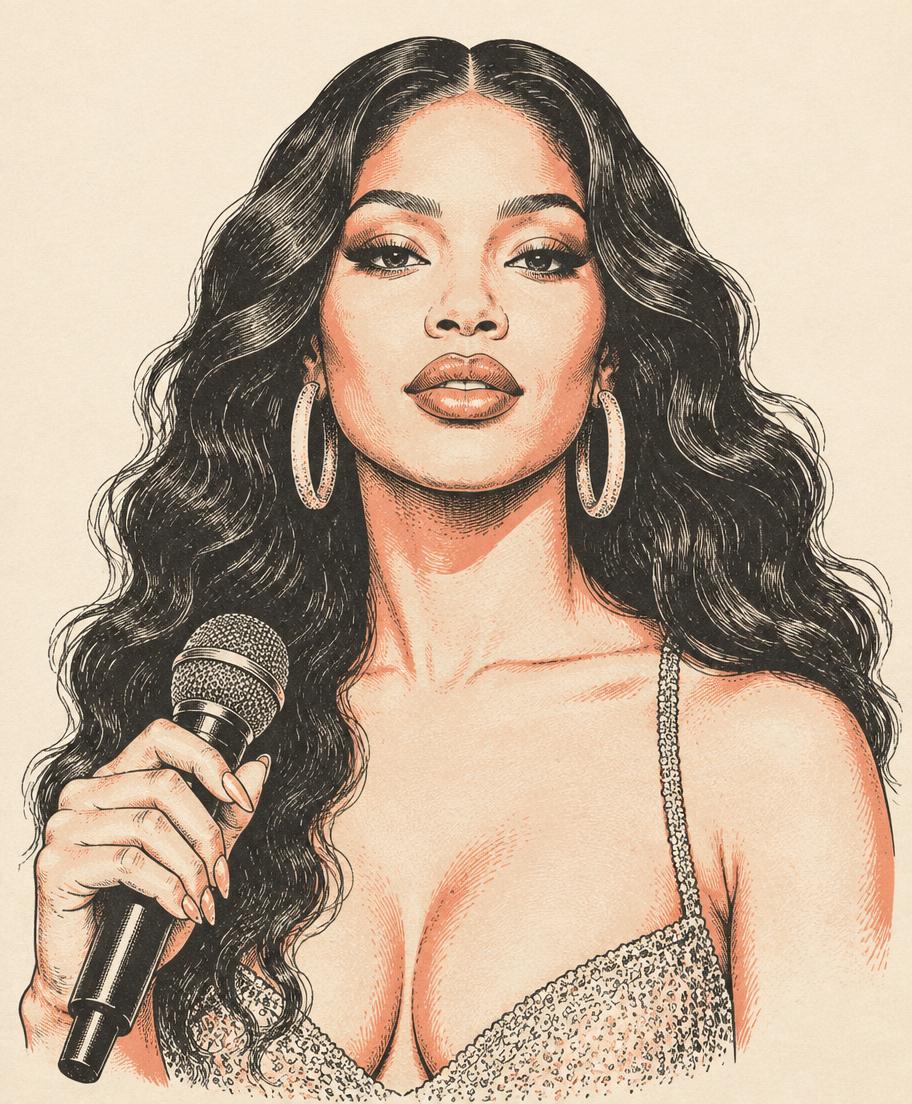
Singer and songwriter
Beyoncé
A singer, songwriter and performer whose career spans Destiny's Child and a run of genre-shifting solo albums.
Read biography ↗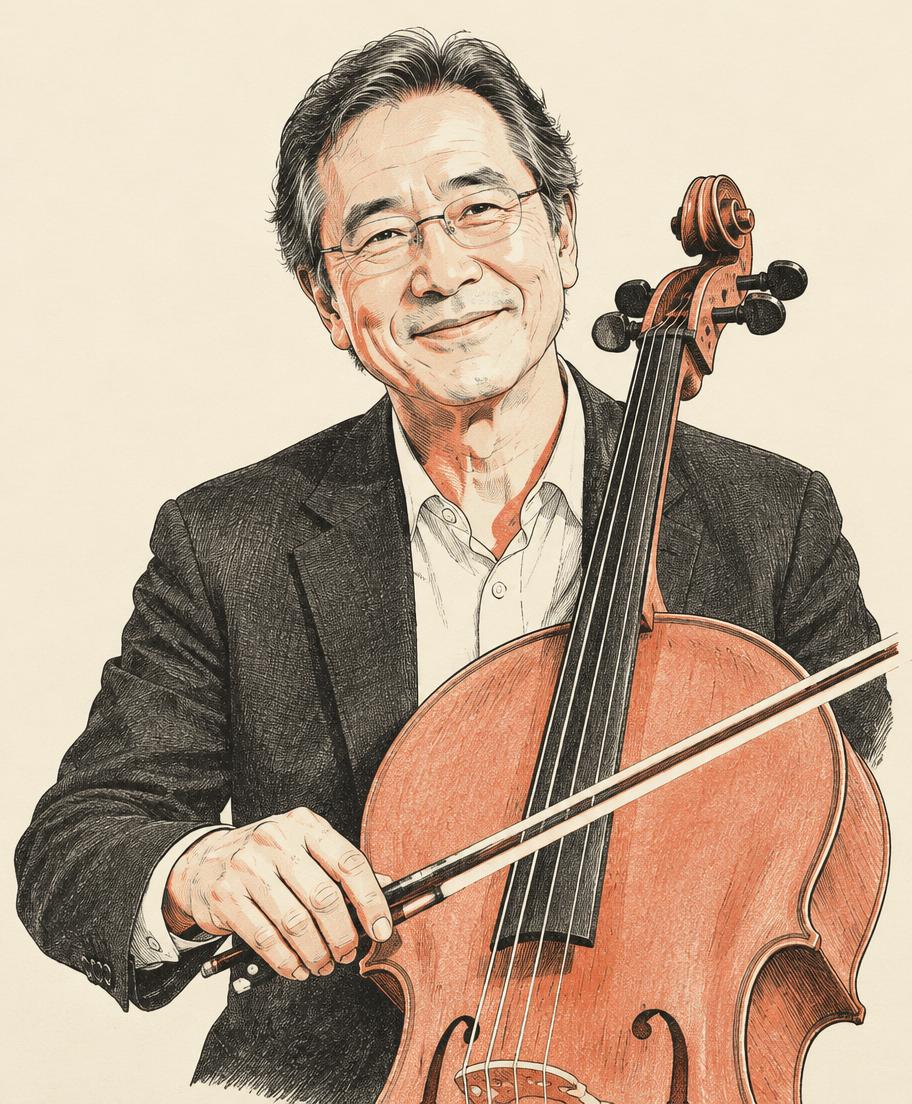
Cellist
Yo-Yo Ma
A cellist known for his recordings of the Bach cello suites and for decades of cross-cultural musical collaboration.
Read biography ↗
British singer (1949–2012)
Robin Gibb
Robin Hugh Gibb was a British singer and songwriter.
Read biography ↗