Head of the Catholic Church from 1099 to 1118
Paschal II
Pope Paschal II, born Raniero Raineri di Bleda, was head of the Catholic Church and ruler of the Papal States from 13 August 1099 to his death in 1118.
By globalcelebwiki Editorial Desk, adapted from Wikipedia · Published 29 September 2026
- Profession
- Head of the Catholic Church from 1099 to 1118
- Birthplace
- Galeata
- Nationality
- March of Tuscany

Overview
Pope Paschal II (Latin: Paschalis II; 1050 x 1055 – 21 January 1118), born Raniero Raineri di Bleda, was head of the Catholic Church and ruler of the Papal States from 13 August 1099 to his death in 1118. A monk of the Abbey of Cluny, he was created the cardinal-priest of San Clemente by Pope Gregory VII (1073–85) in 1073. He was consecrated as pope in succession to Pope Urban II (1088–99) on 19 August 1099. His reign of almost twenty years was exceptionally long for a medieval pope.
Early career
Ranierius was born in Bleda, near Forlì, Romagna. He became a monk at Cluny at an early age.
After Pope Urban II's death, Paschal reacted to the success of the First Crusade by preaching the penitential Crusade of 1101.
During the early part of his pontificate, Paschal also continued to develop papal policy in the context of the ongoing Investiture Controversy. He zealously carried on the Hildebrandine policy in favor of papal privilege, though with only partial success.
Henry V, son of Emperor Henry IV, took advantage of his father's excommunication to rebel, even to the point of seeking out Paschal for absolution for associating with his father.
The imperial Diet at Mainz invited Paschal to visit Germany and settle the dispute in January 1106, but the pope at the Council of Guastalla (October 1106) simply renewed the prohibition of investiture.
In the same early phase of his pontificate, he brought to an end the investiture struggle in England, in which Anselm, archbishop of Canterbury, had been engaged with King Henry I, by retaining to himself exclusive right to invest with the ring and crozier, but recognizing royal nomination to vacant benefices and the oath of fealty for temporal domains.
Following the crisis of 1111, Paschal continued to face unresolved tensions with both imperial and royal authorities.
During Paschal's papacy some efforts were made by the Byzantine Emperor Alexios I to bridge the schism between the Orthodox and the Catholic Church, but these failed, as Paschal pressed the demand that the patriarch of Constantinople recognise the pope's primacy over "all the churches of God throughout the world" in late 1112.
Paschal issued the bull Pie postulatio voluntatis on 15 February 1113, bringing under Papal protection and confirming as a religious order the Hospital of Saint John of Jerusalem, later known as the Knights Hospitaller and today known as the Sovereign Military Order of Malta. It also confirmed the order's acquisitions and donations in Europe and Asia and exempted it from all authority save that of the pope.
Toward this same period, Paschal complained in 1115 that councils were held and bishops translated without his authorization, and he threatened Henry I with excommunication.
Matilda of Tuscany was said to have bequeathed all her allodial lands to the Church upon her death in 1115, but the donation was neither publicly acknowledged in Rome nor is any documentary record of the donation preserved. Emperor Henry V at once laid claim to Matilda's lands as imperial fiefs and forced the pope to flee from Rome.
Paschal returned to Rome after the emperor's withdrawal at the beginning of 1118, but died within a few days, on 21 January 1118."
Sources and references
Spotted something wrong? Report a correction.
Related profiles
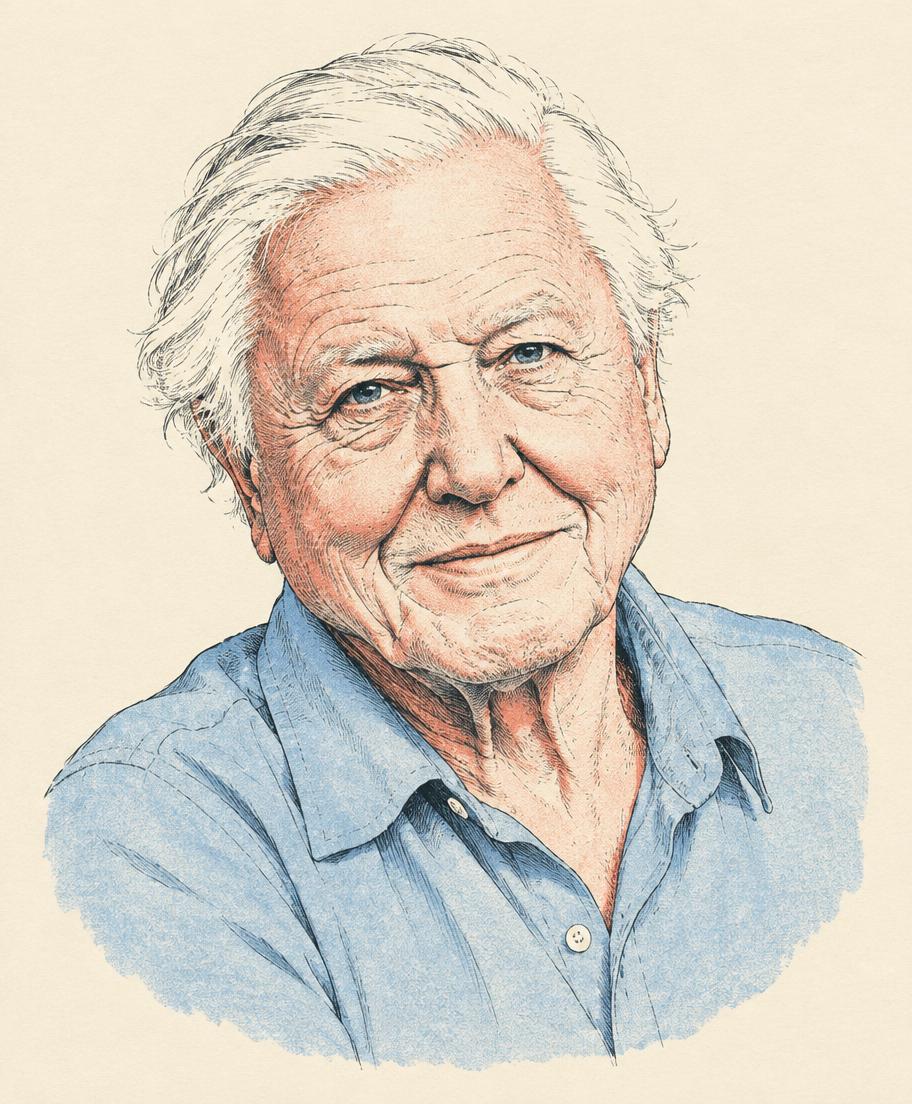
Broadcaster and natural historian
David Attenborough
The broadcaster whose natural history series have shaped how audiences understand life on Earth.
Read biography ↗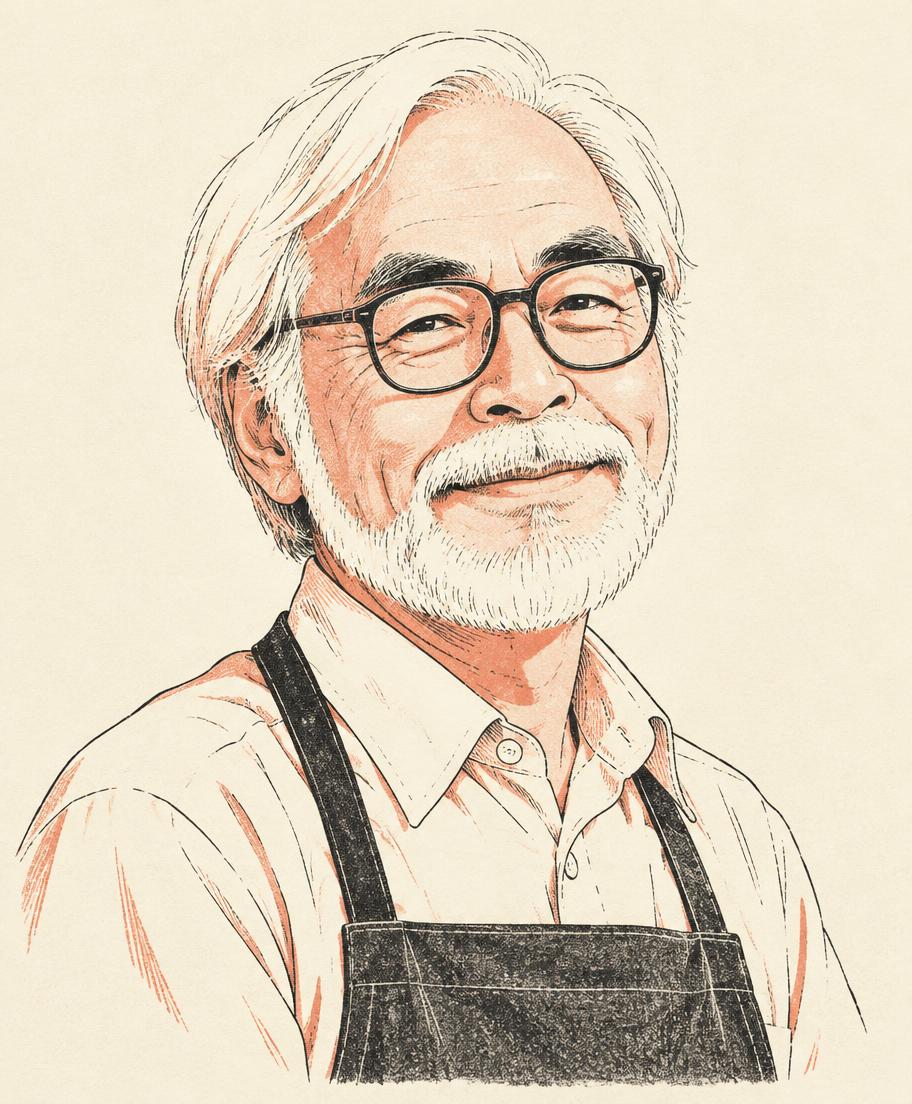
Animator and film director
Hayao Miyazaki
The animator and co-founder of Studio Ghibli whose hand-drawn films reached audiences worldwide.
Read biography ↗
Pope
Benedict I
Pope Benedict I was the bishop of Rome from 2 June 575 to his death on 30 July 579.
Read biography ↗