Brazilian footballer (1928-2001)
Didi
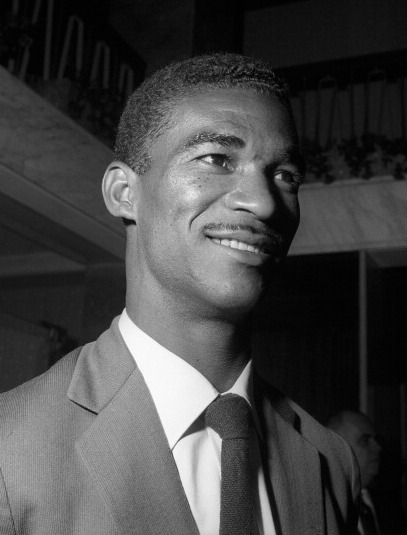
Waldyr Pereira, also known as Didi, was a Brazilian footballer who played as a midfielder or as a forward.
By globalcelebwiki Editorial Desk, adapted from Wikipedia · Published 29 September 2026
- Profession
- Brazilian footballer (1928-2001)
- Born
- 8 October 1929
- Birthplace
- Campos dos Goytacazes
- Nationality
- Brazilian
Overview
Waldyr Pereira (8 October 1928 – 12 May 2001), also known as Didi (Brazilian Portuguese: [dʒiˈdʒi]), was a Brazilian footballer who played as a midfielder or as a forward. He played in three FIFA World Cups (1954, 1958, and 1962), winning the latter two.
An elegant and technical player, Didi was renowned for his range of passing, stamina and technique. He also was a free-kick specialist, being famous for inventing the folha seca (dry leaf) dead ball free kicks, notably used by modern-day players such as Juninho and Cristiano Ronaldo, where the ball would swerve downward unexpectedly at a point resulting in a goal.
During his career, he was part of Fluminense between the end of the 1940s to the mid-1950s and one of the main players of the iconic squad of Botafogo in the early 1960s with other world champions such as Garrincha, Nilton Santos, Zagallo and Amarildo.
Early life
Didi was born into a poor family in the city of Campos dos Goytacazes, 150 miles north of Rio de Janeiro. As a youngster, he sold peanuts in order to help his family, and began playing football in the streets and nearly had his right leg amputated when he was 14 due to a severe infection following an injury to his knee. He later recovered and played for local clubs in his hometown.
Playing career
He became professional playing for Madureira and came to prominence when he joined Fluminense in 1949. At Fluminense, Didi played between 1949 and 1956, the club for which he played the longest time without interruption, having played 298 matches and scored 91 goals, being one of the main responsible for winning the 1951 Carioca Championship, in addition to scoring the first goal in the history of Maracanã for the Carioca Selection in 1950, defending his childhood club, and leading the Brazil National team in winning the 1952 Panamerican Championship, disputed in Chile, in the first relevant achievement of the Brazil national team abroad, having played alongside Djalma Santos, Castilho, Waldo, Telê Santana, Orlando Pingo de Ouro, Altair and Pinheiro, among others. During seven seasons with the club he won the Campeonato carioca in 1951 and 1952 Copa Rio. On 16 June 1950, in a friendly match involving Rio de Janeiro and São Paulo youth state teams, Didi (aged 21), playing for Rio de Janeiro, scored the first ever goal at the Maracanã Stadium.
During the 1954 World Cup he scored goals against Mexico and Yugoslavia, before Brazil's defeat to the favorites Hungary. This match was known as the Battle of Berne; Didi was involved with the brawl that followed this bad-tempered match.
At club level, he moved to Botafogo, winning the Campeonato Carioca (Rio state championship) in 1957. Didi had previously promised to walk from the Maracanã to his house, in the neighbourhood of Laranjeiras (9,4 km), in his kit, if Botafogo won the championship; 5,000 Botafogo fans joined him as he did so.
His greatest achievement came at the 1958 FIFA World Cup where he was player of the tournament. From midfield, he masterminded the first of his two FIFA World Cup successes for Brazil. In 68 international matches he scored 20 goals, including a dozen using his trademark free-kicks.
In 1959, he was signed by Real Madrid of Spain, playing alongside many historical players such as Ferenc Puskás, Alfredo Di Stefano and Francisco Gento.
Managerial career
After retiring as player, he began a coach career with Sporting Cristal, and was called to manage the Peru national team in the 1970 FIFA World Cup, successfully guided the Peruvians qualifying at the expense of Argentina, repaying the debt for eliminating Peru from 1958 FIFA World Cup. That team included stars like Teófilo Cubillas and Héctor Chumpitaz were eventually defeated in the quarter-finals by Brazil. In 1971, he managed the top Argentine club, River Plate, when he accepted a lucrative position, and had his apex in his coaching career with Turkish Giant Fenerbahçe, guiding the team to two consecutive Turkish First Division (later named Süper Lig) titles in 1973–1974 and later in 1974–1975.
He also coached important Brazilian clubs like Bangu, Fluminense, Botafogo, Cruzeiro, Peruvian club Alianza Lima, the Kuwaiti national team and Al-Ahli.
Later years
He would marry two times throughout his life. His son Bibi who also played as a professional footballer would come from his first marriage to his first wife, Maria Luíza do Espírito Santo.
In October 2000, he was inducted into the FIFA Hall of Champions. By this time he was quite ill and died the following year in Rio de Janeiro, at the age of 72, after contracting pneumonia from complications arising from intestinal cancer.
Copa Oswaldo Cruz: 1955, 1958, 1961, 1962
IFFHS Brazilian Player of the 20th Century (7th place)
IFFHS World Player of the 20th Century (19th place)
The Best of The Best – Player of the Century: Top 50
IFFHS South America Men's Team of All Time: 2021
Sources and references
Spotted something wrong? Report a correction.
Related profiles
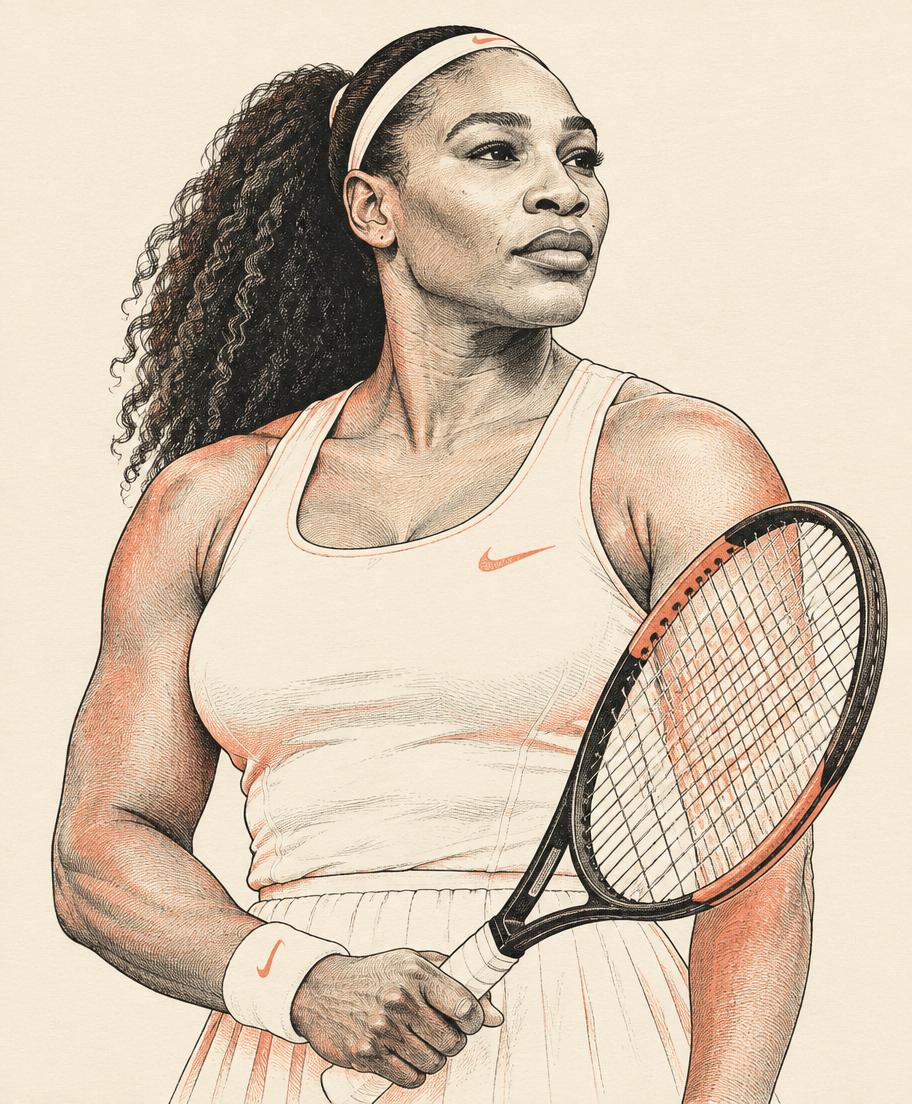
Tennis player
Serena Williams
One of the most successful tennis players in the history of the sport, with 23 Grand Slam singles titles.
Read biography ↗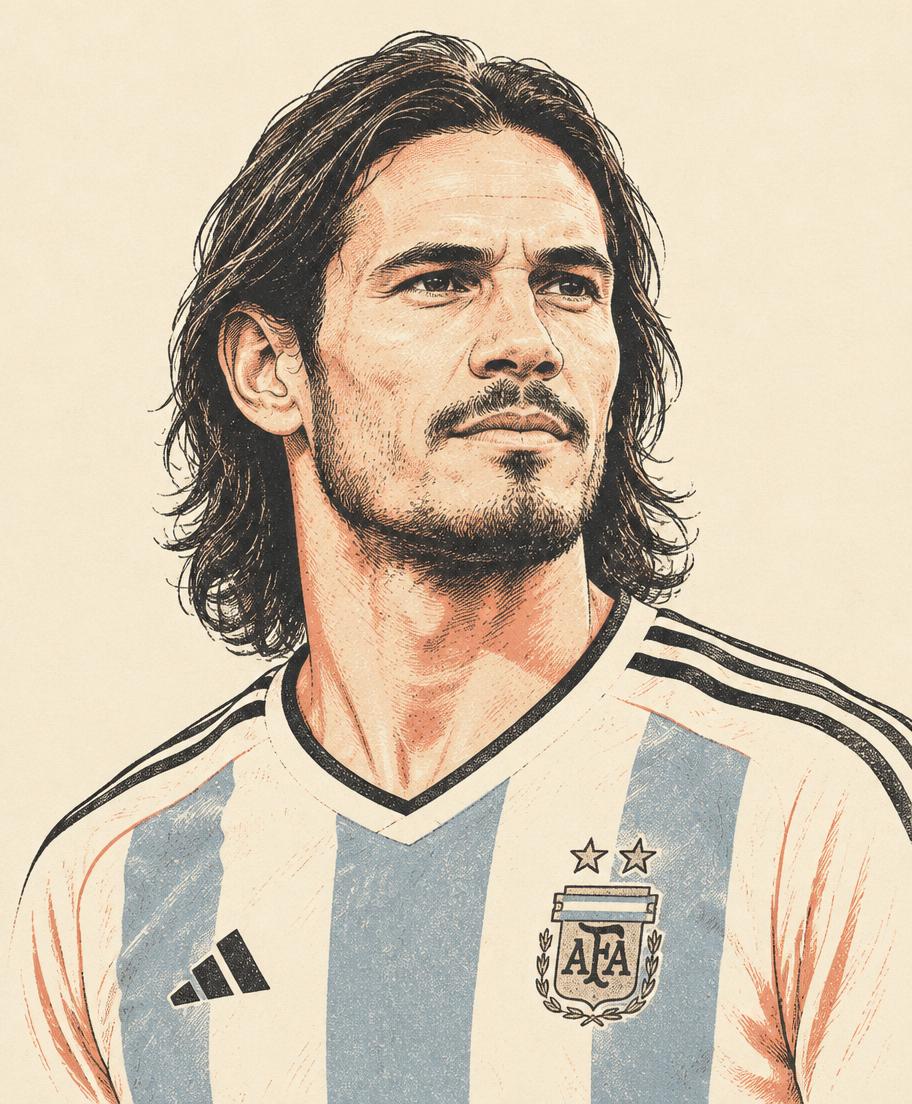
Footballer
Lionel Messi
An Argentine footballer whose record haul of individual honours is matched by a World Cup title in 2022.
Read biography ↗
Argentine association football player (born 1987)
Lionel Messi
Lionel Andrés "Leo" Messi is an Argentine professional footballer who plays as a forward for the Major League Soccer club Inter Miami, which he captains, and the Argentina national team.
Read biography ↗